
Nestled on the banks of the Moruya River in New South Wales, Australia, the granite quarries have been a thriving hub of granite production since the mid-19th century. What sets Moruya Granite apart is its exceptional quality and consistency, making it a favoured choice among architects, builders, and stonemasons. Initially employed in constructing breakwaters, the local granite quickly earned a reputation as the cornerstone of some of Moruya’s most stately buildings. The Uniting Church, built in 1864, was the first to showcase its enduring attraction.

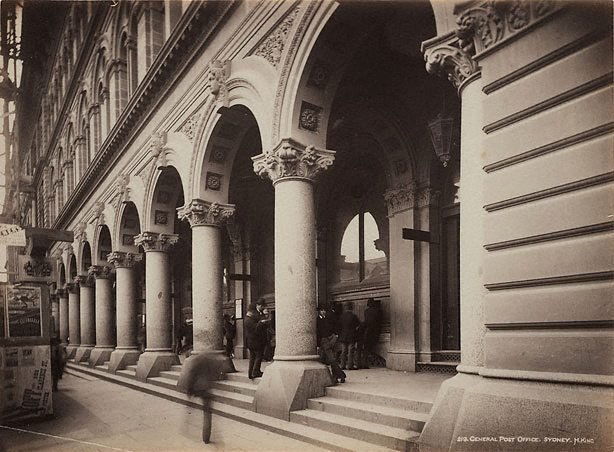
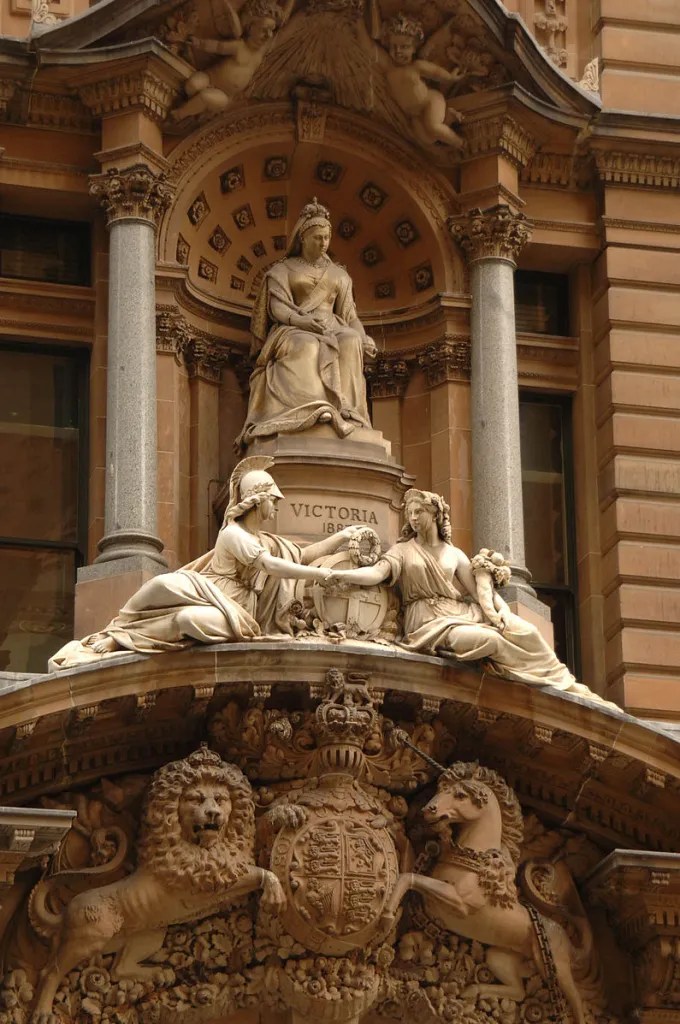
As the 19th century progressed, the Moruya quarries played a pivotal role in supplying rocks for Sydney’s heritage structures and monuments. Notable examples include the colonnade columns of the General Post Office, columns for the Chief Secretaries and Burns Philp buildings, the Martin Place Cenotaph, and the pedestals for monuments honoring Captain Cook and Queen Victoria.
However, Moruya Granite’s most famous and prestigious use came in the 20th century when it was chosen to construct the monumental pylons of the Sydney Harbour Bridge. This remarkable feat solidified its position as a symbol of engineering excellence and architectural beauty on a grand scale. The Sydney Harbour Bridge, an iconic Australian landmark, stands as a testament to the enduring strength and allure of Moruya Granite.
The Government Quarry
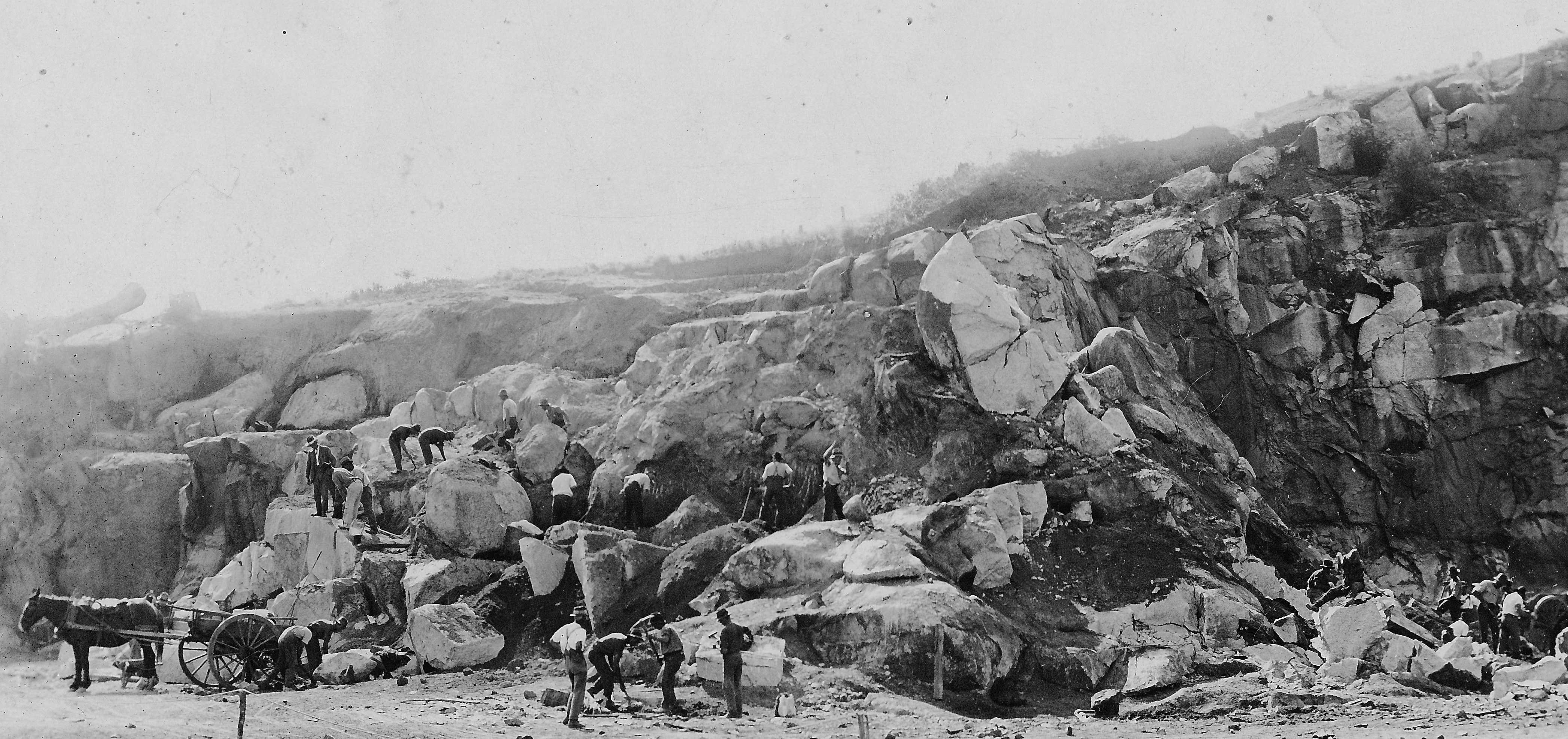
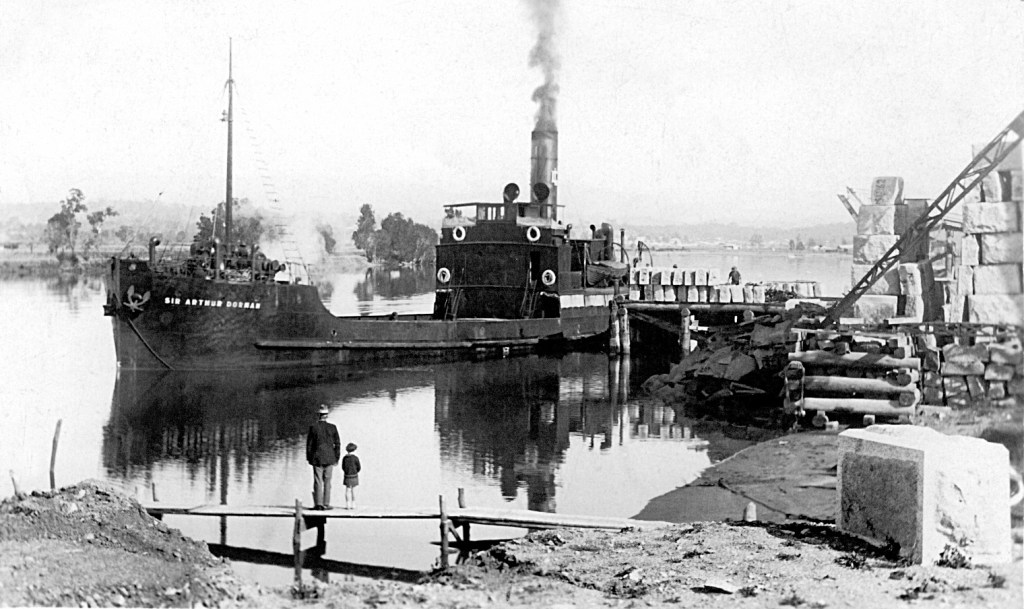
Initially established in 1878 for the construction of the Moruya northern breakwater, this quarry has played a pivotal role in the supply of stone for river improvement and maintenance projects. However, its true claim to fame lies in the magnificent granite facing it provided for the iconic Sydney Harbour Bridge pylons between 1925 and 1932. The impeccable craftsmanship and durability of Moruya Granite showcased in this monumental structure continue to inspire awe to this day.

As you explore the Government Quarry site, be prepared to immerse yourself in a world frozen in time. The scattered machinery and masonry shed footings stand as silent witnesses to the laborious efforts and technical expertise that once thrived here. Traces of the breakwater and river training structures offer a glimpse into the engineering feats achieved to harness the power of the river. The faint echoes of the tramway and stone dressing area earthworks conjure visions of bustling activity and the meticulous craftsmanship required to shape Moruya Granite.
Private Quarries – Loutitt’s, McCredie Brothers, and Ziegler’s
Beyond the Government Quarry, other smaller private quarries played their part in the legacy of Moruya Granite. Loutitt’s was the only quarry situated on the south bank of the River. From 1868 to 1887, it supplied stone for iconic Sydney buildings and monuments, leaving an indelible mark on the city’s architectural landscape.
McCredie Brothers quarry, located near Malabar Creek, contributed to the extension of the General Post Office colonnade in Sydney during the late 19th century.
And Ziegler’s quarry, the earliest of the Moruya granite quarries, operated from the 1860s to the 1890s. Ziegler was a master stonemason as well as quarry owner who provided the stonework for Moruya’s own stately churches, and donated the Sun Dial which now stands in front of Council Chambers.
Granite Town – Where Craftsmanship Flourished
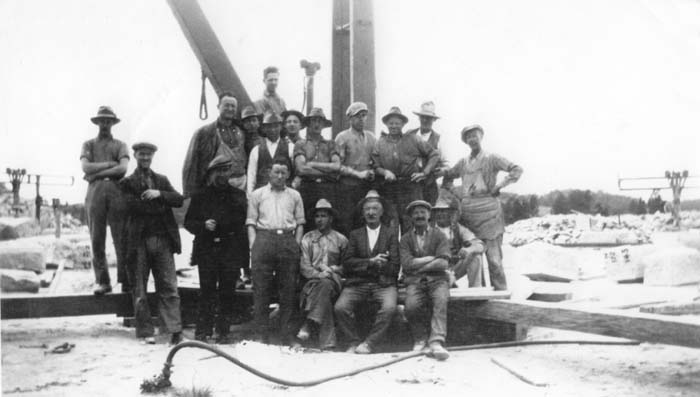
Granite Town served as a thriving community that revolved around the quarrying operations. Originally established on land owned by Ziegler, it was later acquired by Dorman Long in 1925 to house the stonemasons and tradespeople involved in preparing stone for the Sydney Harbour Bridge pylons.
With its bachelor quarters, school, community hall, and cottages, Granite Town became a vibrant hub of creativity and craftsmanship. However, as the completion of the bridge neared, the town gradually diminished, and by the end of 1931, it was dismantled, leaving behind only echoes of its once-thriving precinct.
Preserving a Timeless Heritage
The Moruya quarries and Granite Town bear witness to an extraordinary era of construction and engineering excellence.
In 2017 the quarries were listed on the National Engineering Heritage Register, recognising their unique and special historic significance. By safeguarding these historic sites, we ensure that future generations can appreciate the significance of Moruya Granite and the human ingenuity it represents.
The Moruya quarries and Granite Town are more than mere remnants of a bygone era. They are testaments to the skill, perseverance, and artistry of those who shaped Australia’s architectural landscape.
As we explore the Government Quarry, trace the footsteps of private quarries, and wander through the remnants of Granite Town, we discover a captivating history that continues to inspire awe and appreciation for the enduring legacy of Moruya Granite.
A Park to Remember
In the 1990s, the Moruya Rotary Club commenced a project to establish a Quarry Park on the north bank of the River with a pavilion, footpath and landscaping.
Later on a pathway was developed along the water’s edge, and in 2016 the Federal Government granted $72,000 for the development of a barbeque spot with a sunset view, a concrete pathway and renovation of the John Gilmore pavilion built by Rotary.
The culmination of years of hard work and community support came to fruition in 2017 when the improved Quarry Park was officially opened to the public.







Granite Monuments and Buildings
Government Quarry
- Permanently open entrance to the Moruya river.
- Harbour Bridge, Sydney – piers and pylons
- Cenotaph, Martin Place, Sydney
- Catholic Church, Moruya – convent statue base
- War Memorial, Araluen
- Saint Michael’s Church of England, Vaucluse. A monument to commemorate the association of Mr Ennis, and other members of the staff of Dorman Long and Co, with the church.
- Monument to Moruya quarrymen in Moruya town centre (Apex Park).
Loutitt Quarry
- General Post Office (first stage) colonnade columns, Sydney
- St Mary’s Cathedral, Columns to the confessionals
- Buildings around Moruya, including the Bank of NSW building in Vulcan Street
- Columns on the front of the Customs House, Sydney
- Pedestal for the statue of Captain Cook in Botanic Gardens, Sydney
- ‘Tonalite’ pedestal for the statue of Queen Victoria in Queen’s Square, Sydney.
McCredie Quarry
- General Post Office (second stage). Foundations in 1880 and façade and colonnades about 1883.
- ‘Granite’ for the Chief Secretaries building, Bridge Street, Sydney
- ‘Tonalite’ pedestal for the statue of Queen Victoria in Queen’s Square, Sydney.
- ‘Granite’ for the Burns Philp building, Bridge Street, Sydney
Zeigler Quarry
- Structural stone for buildings locally – Uniting Church, St Johns Rectory, Sacred Heart Church
- Stone blocks for monumental work locally and in Sydney
The Geology of Moruya Granite Deposits
Moruya Granite’s geological composition consists of both granodiorite and tonalite. Granodiorite is a granitic rock that contains a balanced mixture of quartz, plagioclase feldspar, and biotite or hornblende. This composition gives it a distinct color range, typically ranging from gray to pink or brown. Tonalite, on the other hand, shares similarities with granodiorite but is typically lighter in color due to a higher content of plagioclase feldspar.
The unique combination of granodiorite and tonalite in Moruya Granite contributes to its special qualities. The presence of biotite or hornblende in granodiorite adds strength and durability, making it ideal for structural and exterior applications. Meanwhile, tonalite’s lighter color palette and higher plagioclase feldspar content offer a visually appealing option for ornamental and decorative uses.
Read more:
- MDHS Articles and Publications
- The Stonemasons Lathe
- Quarry Park Opened – Mar 2017
- Friends of Moruya Quarry Park
- Moruya Granite and the Harbour Bridge
- National Engineering Heritage Register
- Monument to the Moruya Quarrymen
- ‘Quarry Scotties’: the story of the Sydney Harbour Bridge’s forgotten migrant workers
- Moruya Granite Makes the News by Richard Gorrell
- Moruya Granite Newspaper Articles from Trove


 MORUYA and District Historical Society Blog
Leave a Reply