

The Emmott House is not only the home of the Moruya Museum but also a significant heritage building in its own right. Built as the residence of the Emmott family—one of Moruya’s most prosperous business families—it holds a prominent place in the town’s history. As the oldest surviving building in Campbell Street, it reflects the early development of the neigborhood as a mixed commercial and residential precinct.
English Design with Australian Touch
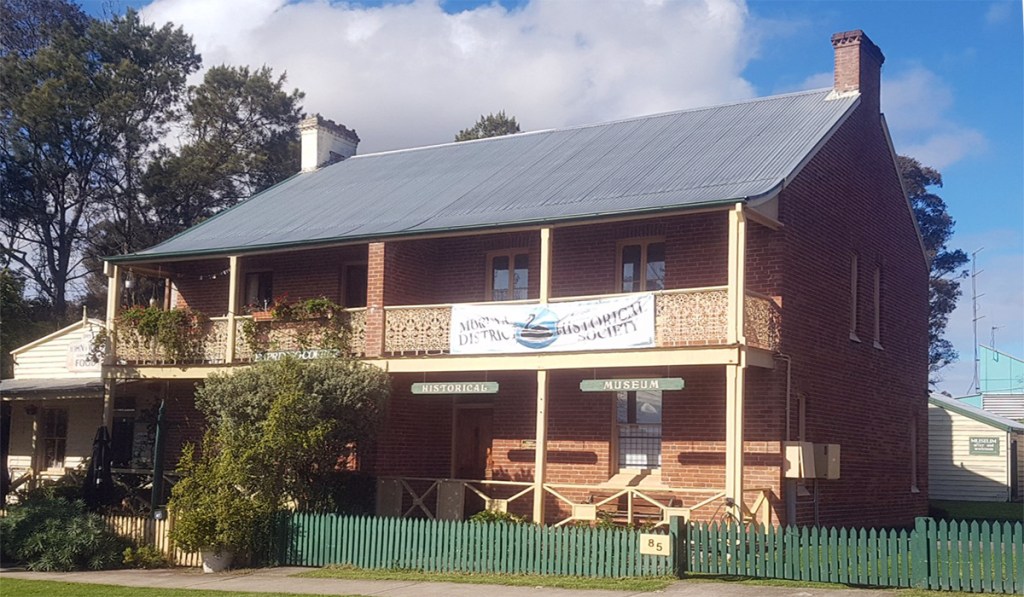
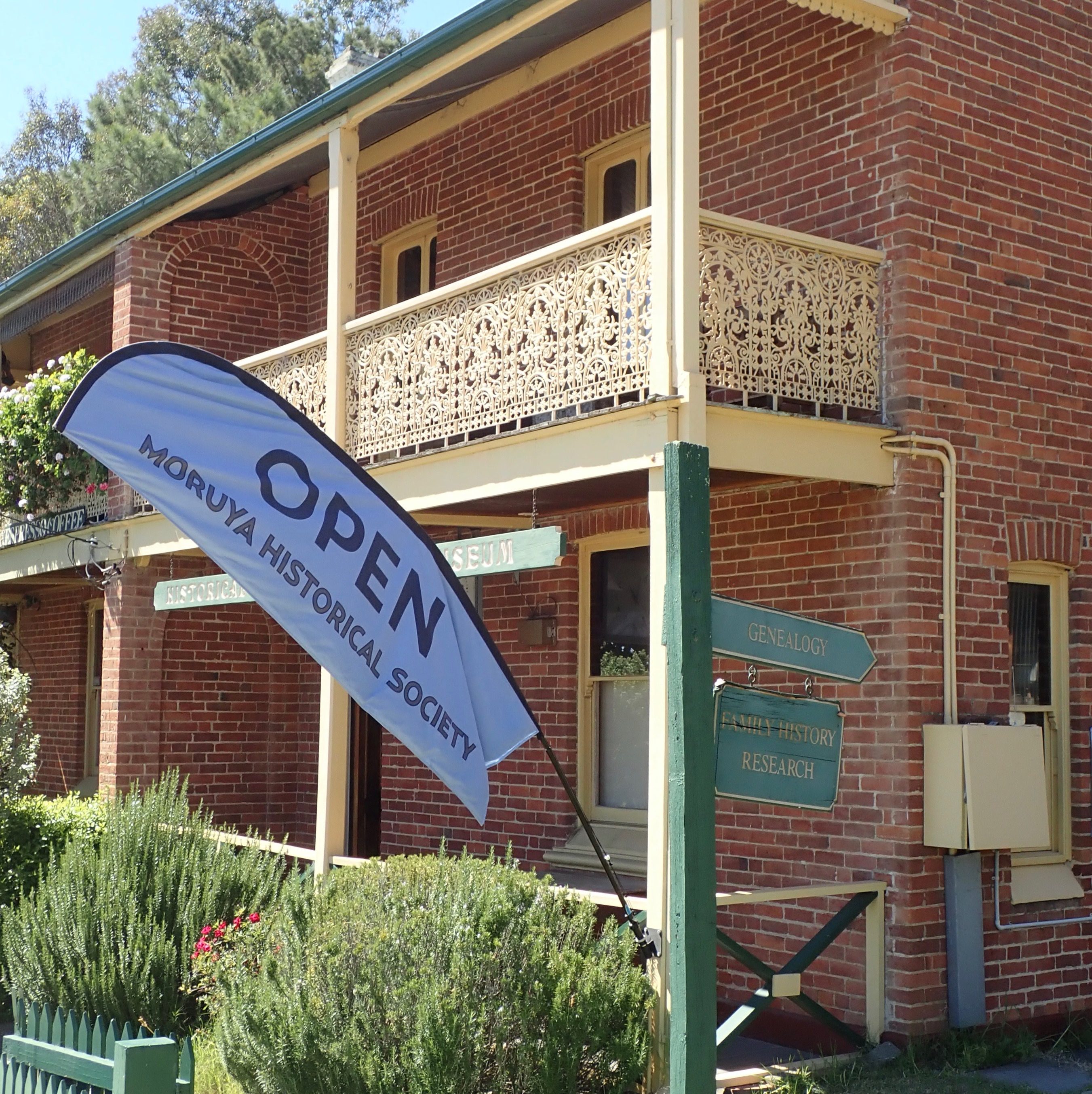
In 1875 Abraham Emmott, an immigrant from Yorkshire, built this pair of semi-detached 2-story terrace homes at 85-87 Campbell St Moruya. These homes were designed in a distinctive North of England architectural style, paying homage to Abraham’s roots, and unique in the region. Covered verandahs were added to shield residents from the scorching Australian sun.
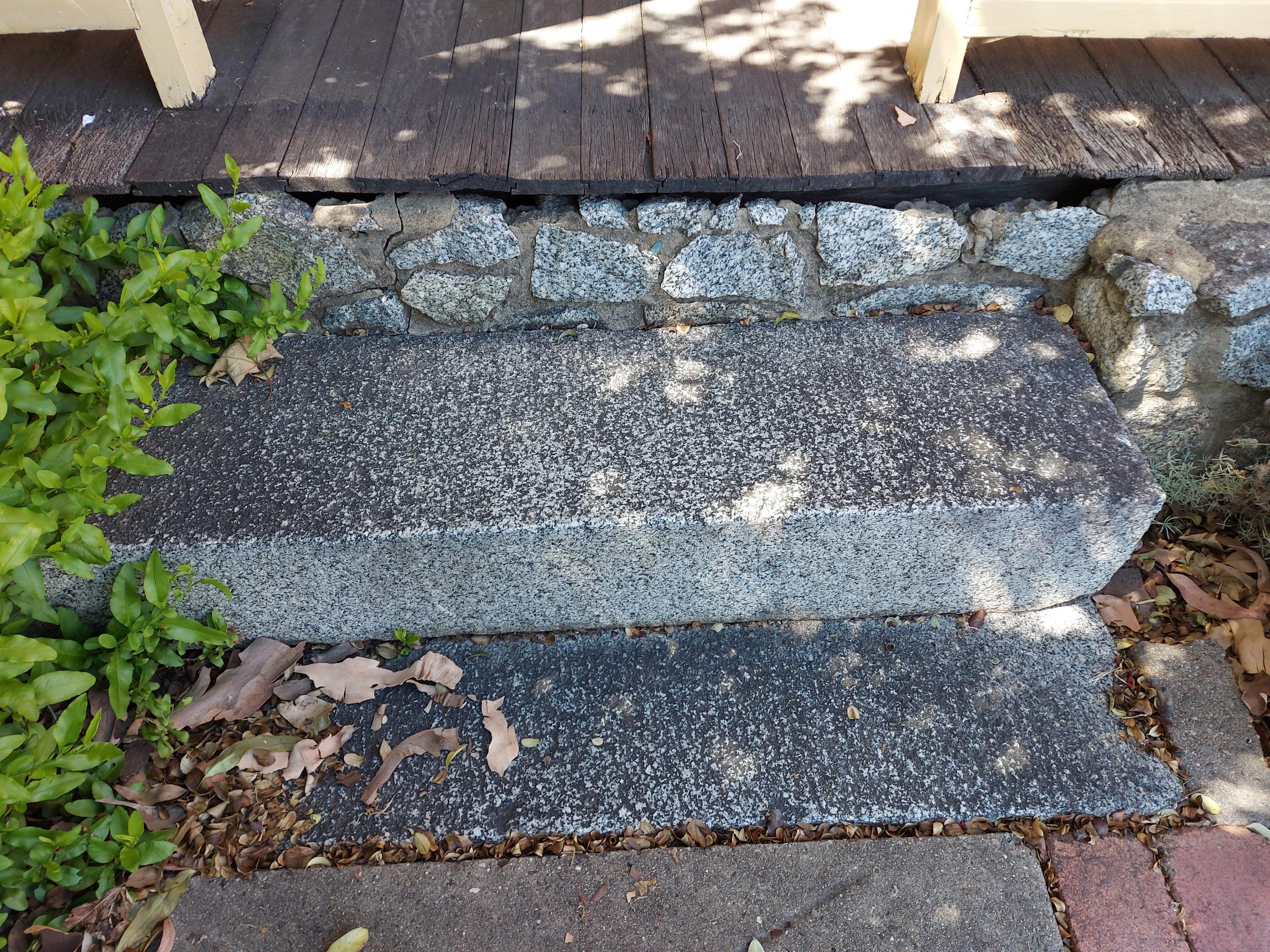
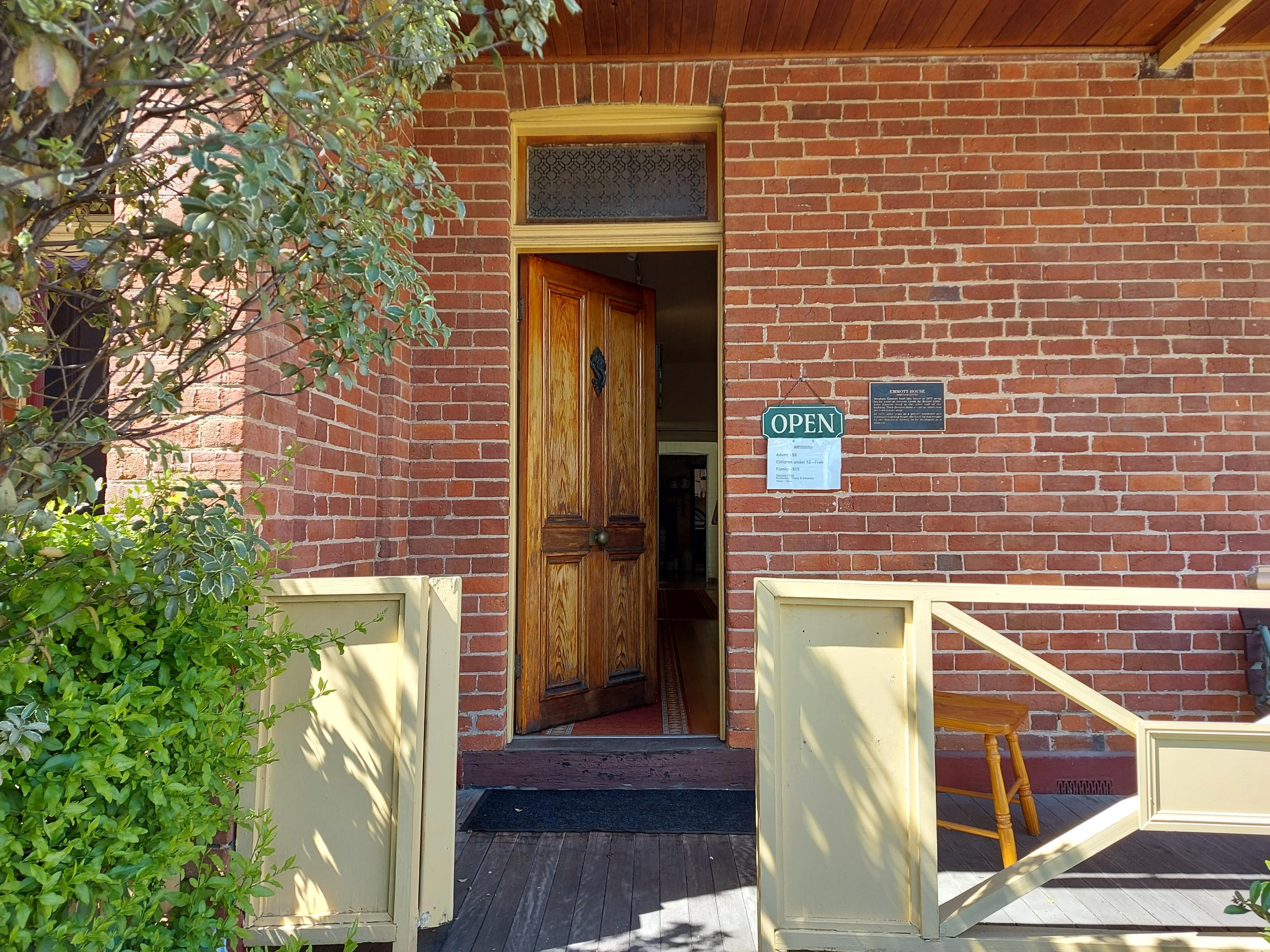
The building was constructed using locally handcrafted, sun-dried bricks, which have developed a unique texture and appearance over time. Many of the original features remain inside the house, the solid wood doors, fireplaces, the kitchen with original wood stove – and the front step is made of granite hewn from the local quarries.
Emmott – A Successful Entrepreneur
The year 1859 saw Abraham Emmott’s arrival in Moruya, where he initially established a general store on the verandah of his first home elsewhere in Campbell Street. Business thrived, and in 1862, Abraham embarked on a new venture—the Beehive Store, situated at the intersection of Vulcan and Queen Streets.
Picture Abraham stepping onto the verandah of Number 85, overlooking Vulcan Street and his bustling Beehive Store, which now houses the Harris Scarfe store.


From left: View from Abraham’s bedroom toward Vulcan St; Beehive Store on Vulcan St; Abraham’s son John Emmott who lived next door in Number 87 Campbell St
Number 87 was occupied by Abraham’s son, John, who famously fell victim to the notorious Clarke gang of bushrangers. On his journey home from the Gulph diggings at Nerrigundah, John was ambushed, shot, and robbed of the money and gold he carried. This incident serves as a poignant reminder of the risks and challenges faced by early settlers in their pursuit of prosperity.
Preserving an Important Legacy
In 1976, the Moruya & District Historical Society took a significant step in preserving the Emmott House’s historical significance by purchasing 85 Campbell Street. Recognizing the unique architectural qualities and the largely unaltered exterior of the house, the NSW Heritage Council issued a preservation order in 1979, solidifying its status as an important historical site.
Today, the Moruya Museum occupies the former living quarters of Abraham Emmott. The ground floor, once adorned with a formal parlor and dining room, now serves as a space for special exhibitions.
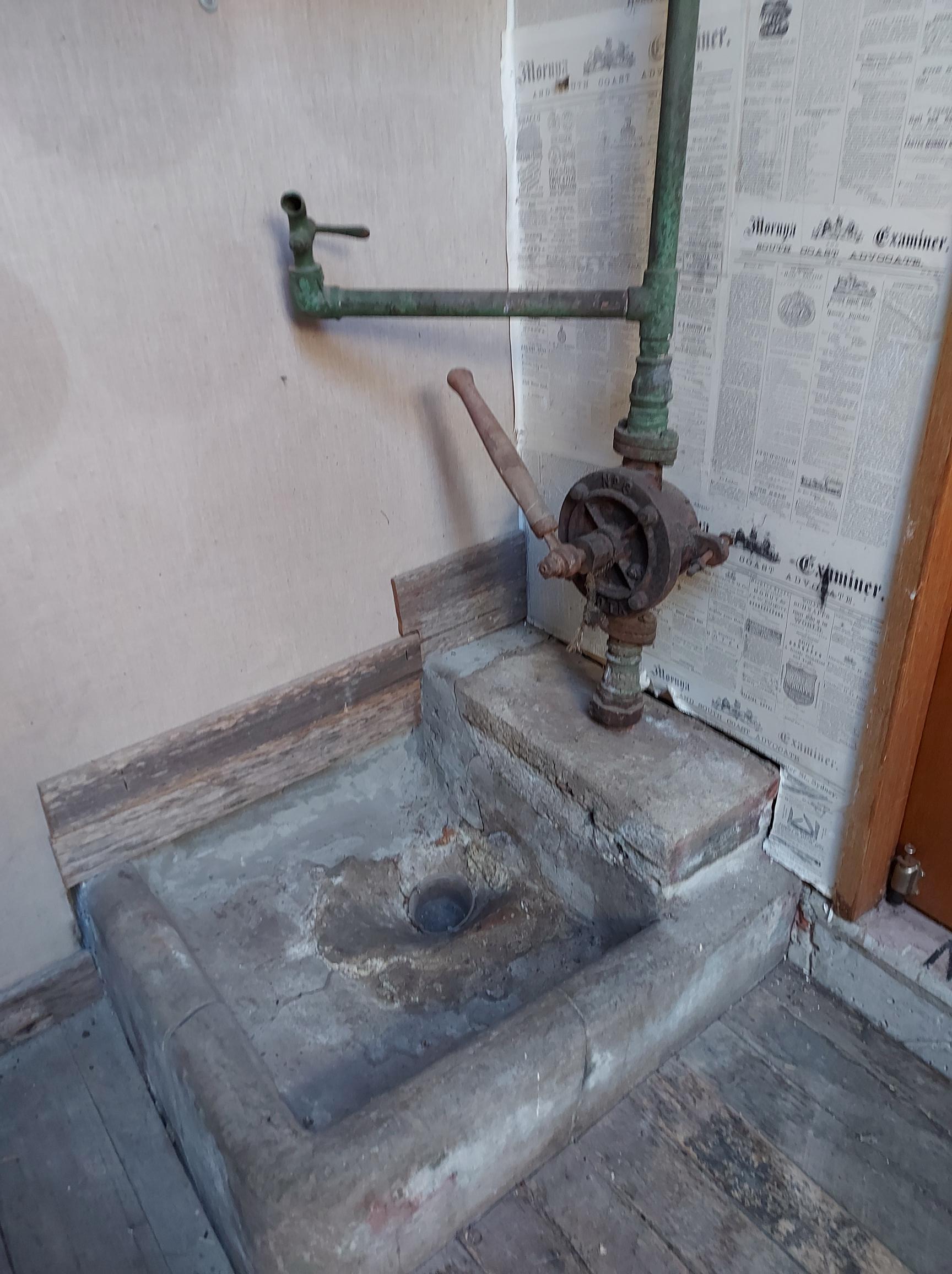
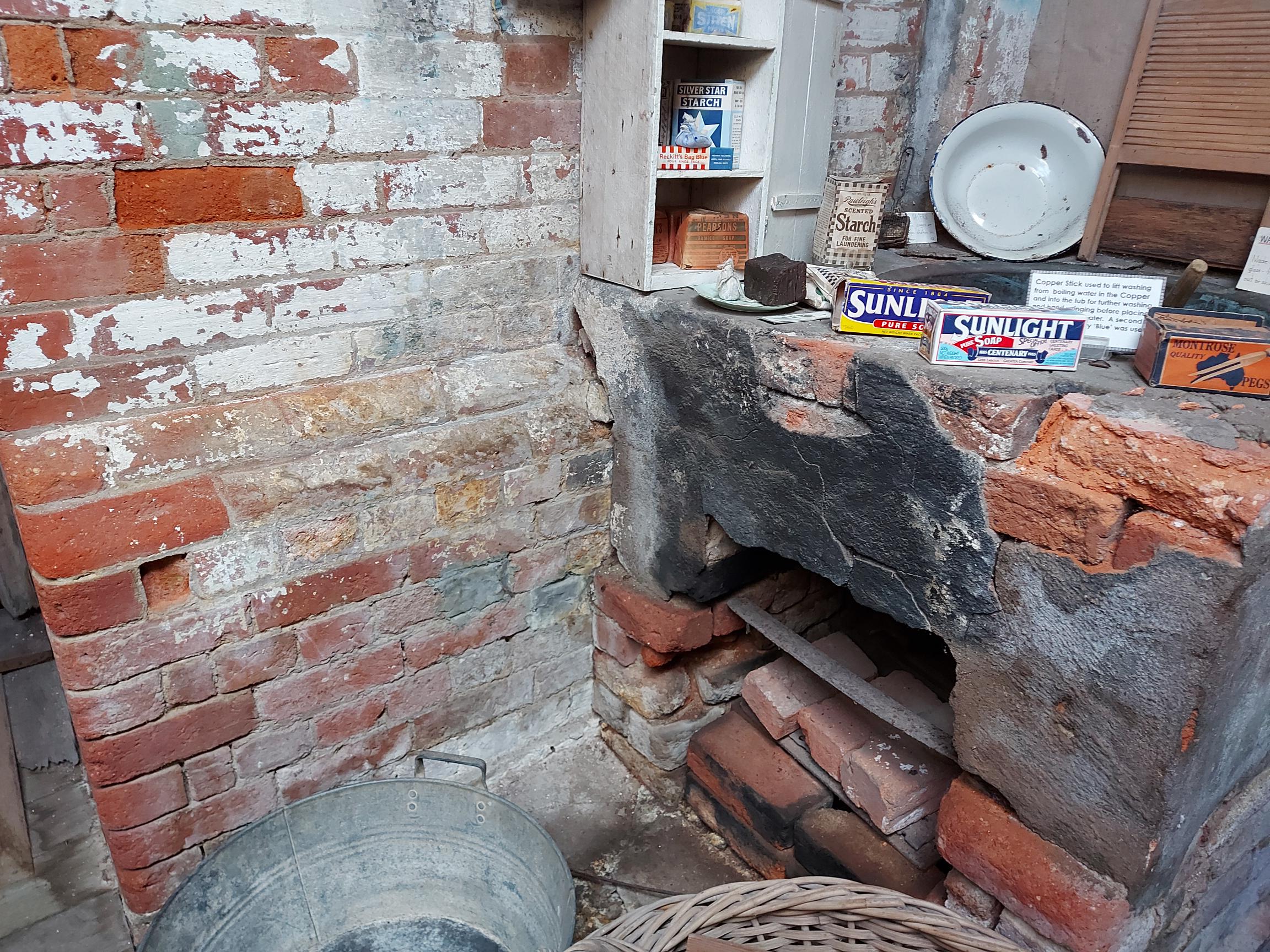
Visitors can explore the kitchen, complete with its wood-fired stove, as well as the laundry area featuring a copper and mangle.
An entrance hall and stairs lead to the Remembrance Room, a permanent display dedicated to wartime stories and artifacts. Also upstairs are Abrahams original bedroom and a child’s bedroom, both furnished in the style of the time.
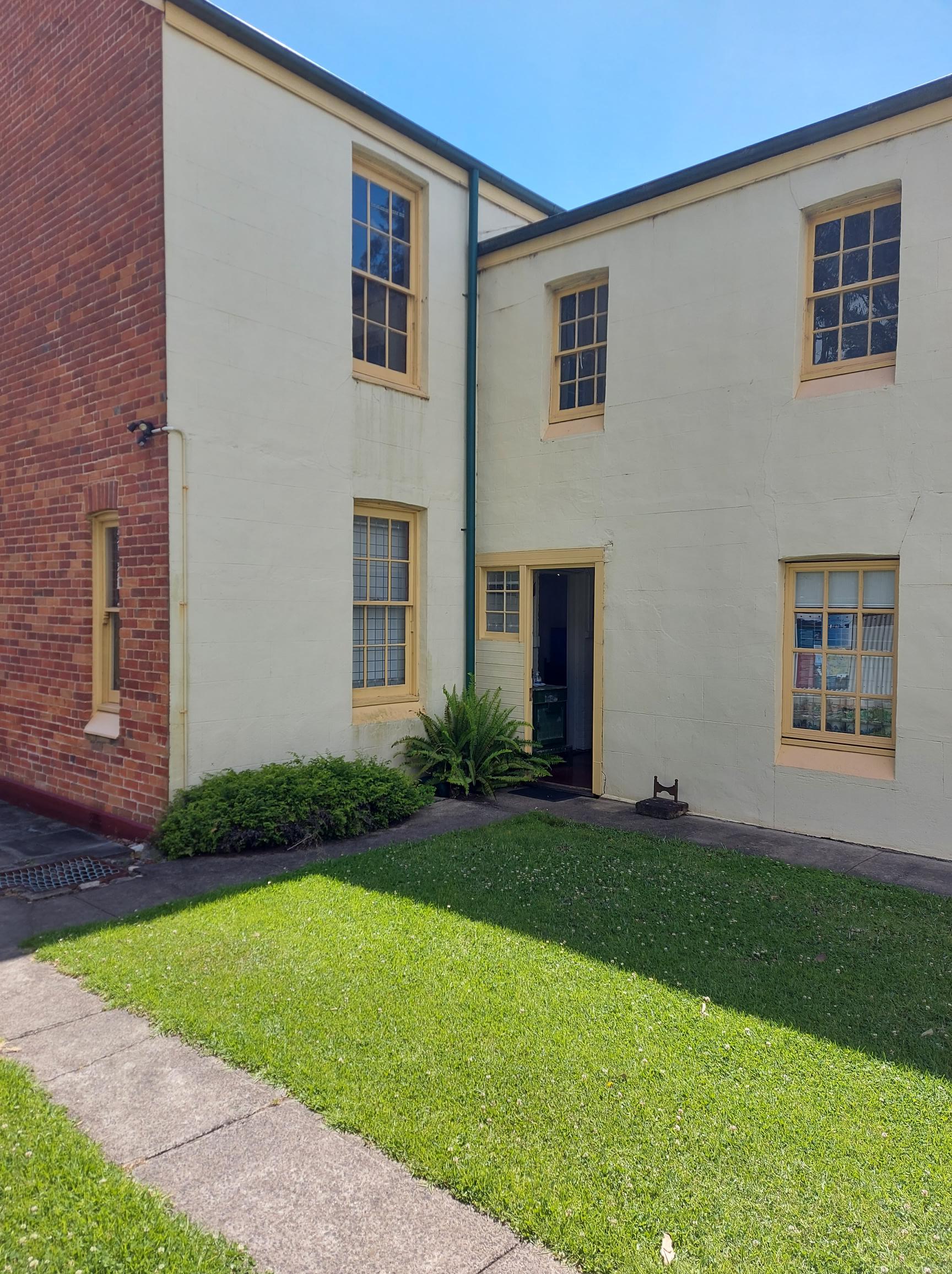


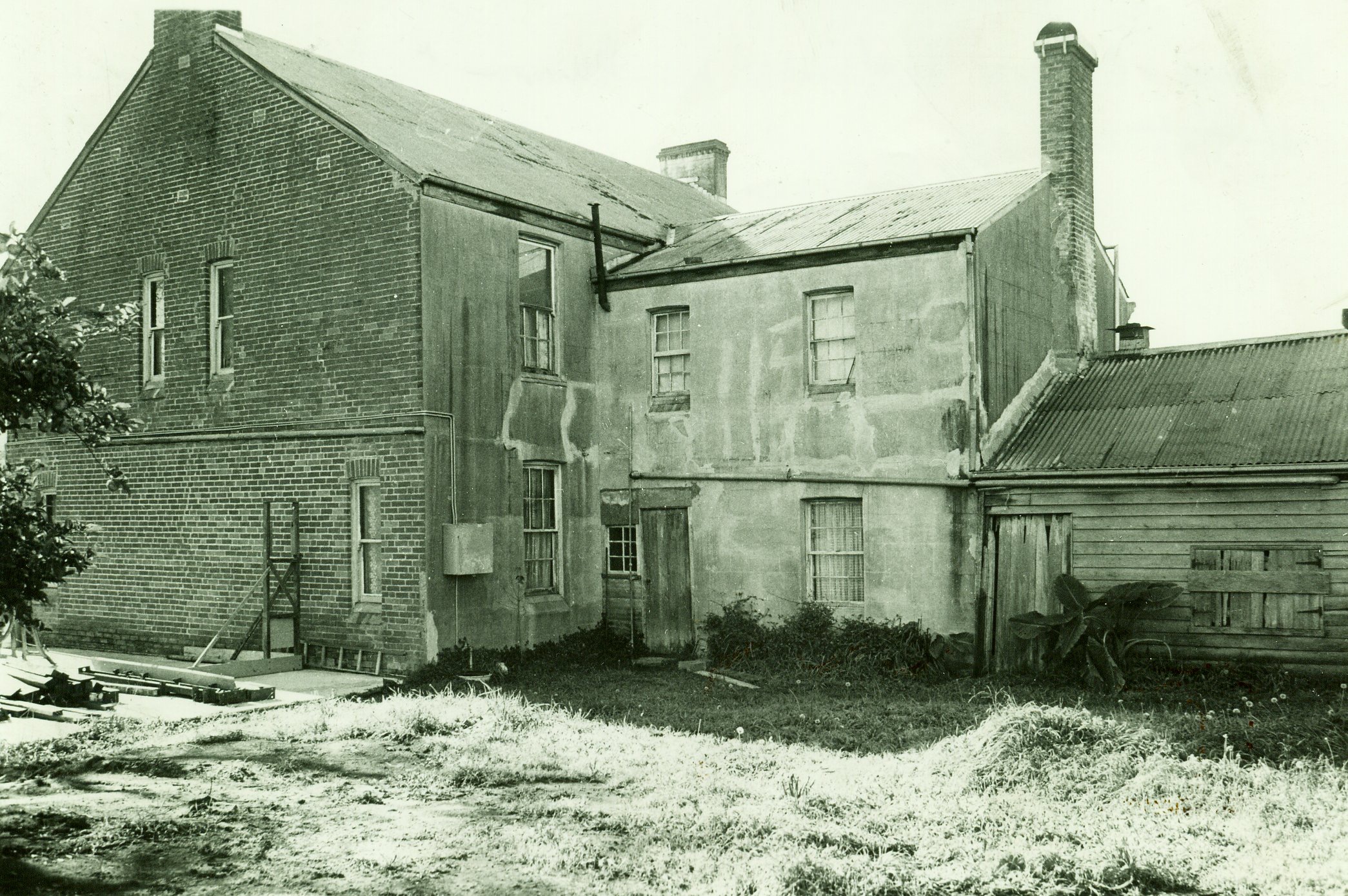
Over the years, the available space behind the building underwent significant expansions to accommodate the growing needs of the museum. In 1988, a substantial extension resulted in the creation of a dedicated Research Library, providing a valuable resource for historical research and documentation. In 1995, the Rotary Room and a machinery shed were added, further enhancing the museum’s offerings and capabilities.
In 2010, the heritage-listed Stonemason’s Lathe found a new home as an outdoor exhibit in the grounds adjacent to the Emmott House.
As visitors explore the Moruya Museum, they have the opportunity to appreciate not only the historical significance of the Emmott House but also the dedication of those who have worked tirelessly to transform it into a hub of historical preservation and education. The museum stands as a living tribute to the early pioneers and successful business families of the region, offering a glimpse into their lives and contributions.
For more information see:
This significant building is featured in the Moruya Heritage Walk.


 MORUYA and District Historical Society Blog
Leave a Reply